why #OccupyDetroit won’t work

The #OccupyWallStreet protests have been incredible to watch. The protestors picked a great target for their message, organized without planning for a one day event, and have been building support ever since. I’ve spoken with friends involved in spinoff occupations and many ask me when “Occupy Detroit” is going to begin. Since then I’ve been throwing the idea around in my head and it never quite fits for Detroit. Just today I discovered that “Occupy Detroit” has already started to be organized for October 21, 2011.

1. What to Occupy

Interestingly the meeting point chosen is the iconic Detroit symbol of “ruin and decay,” Michigan Central Station. A large, empty building near Corktown, privately owned is not a great location to bring a large group of people to protest. I understand it is just the meeting point and protests will take place downtown, but that is where everyone should meet – downtown. It seems like the larger problem is that there is a group of people interested in occupying something, but they aren’t sure what to occupy yet.

The biggest corporate symbol in Detroit is GM Tower, right downtown by the river. The problem with protesting GM is that Detroiters and Michiganders are sick of being angry at the auto companies. It is a protest fatigue, everyone and their grandmother has something to say against the auto companies. It is an argument that doesn’t hold passion anymore. So what is next? Therein lies the problem. Detroit, corporately, is pretty small. The best large corporations that are in the city worth protesting are the banks. Many of the banks backed out of home loans for many Detroit residents during the recession. Just recently Citizen’s Bank was taken to court because of racial discrimination and unequal lending practices in Detroit and Flint.

Corporations take advantage of Detroit’s population in poverty all the time. A perfect example is Chase Bank, they have their community giving initiatives to look good, but where does the money they give away come from? It comes from all the people whose houses they foreclosed. Chase has set up a number of simple drive-through banking stations across the city. They’ve used technology to offer their service and avoided placing people in buildings to serve communities. Chase is notorious for its predatory lending services for home mortgages.

Chase Tower is located downtown, in the middle of an area where many wealthy people from the suburbs like to frequent. A potential place to make a statement in Detroit.

In the end, occupation in Detroit will be difficult. Many people “camp out” everyday for lack of a home or place to sleep. It is a divide between those who choose to take to the streets and those who have no choice. Another issue is that much of Detroit is unoccupied, so the message of an #OccupyDetroit effort may be easily lost.

2. Who will Occupy?

The other major problem that I see is that the young, white activist community in Detroit is doing the organizing. This is a far cry from the locally run organizations and neighborhood block clubs where the real effects of corporate greed are hardest felt. Many times African American residents of Detroit are very skeptical of young, white people making a lot of noise.

When the United Stated Social Forum (USSF) came to Detroit in the summer of 2010, there was a deep divide between the white activist community in Detroit (and the US) and the majority African American residents of the city. I was asked by many people, “what is going on?” and “why are all of these people here?” That isn’t to say that there was no racial diversity at the USSF, but unfortunately those who represented Detroit were a majority white activists disconnected from those living in Detroit.

I recently attended TEDxDetroit which was again a majority white. Detroit’s population is 76% African American, but TEDxDetroit was easily 80% or more white individuals with ideas to bring into Detroit without involving those who already live here. Why can’t organizations find and highlight the work done by people already here?

Detroit is full of vibrant ideas and interesting people. The problem is that the residents of Detroit who are facing the most difficult issues aren’t downtown. Most residents of Detroit live out in the neighborhoods and can’t often benefit from the downtown developments created to bring people in from the suburbs.

3. Already Occupied?

It is safe to say that many of those who live below the poverty line are less concerned with occupying something downtown and instead working on advancing their status in life. Detroit has a high percentage of its population living below the poverty line, hungry, without health insurance, and many without good paying jobs. The residents of Detroit are already occupied with making their lives and city a better place.

The recent Census showed that Detroit’s population is decreasing. Many people that I have talked to, including, Detroit high school student talk about getting out of Detroit and leaving for something better. How can a generation that wants to get out of Detroit be motivated to occupy what they don’t want?

If there is any sort of occupation in Detroit, it will represent the economic and racial disparities in the city and demonstrate the deep need to build real connections across communities. A real movement in Detroit would involve Block Clubs and Neighborhood Associations.

too much health care in Detroit?

Detroit is a city where major landmarks are often its hospitals. The Henry Ford Health System (HFHS) operates three hospitals within the city limits and the Detroit Medical Center (DMC), recently bought by the private Vanguard Group, operates nine different health complexes. The St. John’s Providence group also runs two hospitals in the city. However, Detroit’s hospitals are just one side of health capacity in Detroit. The Detroit Wayne County Health Authority (DWCHA) lists thirty-six community health centers across the city, twenty of which are free or have a minimal fee to see a doctor. Not to be overlooked, Wayne State University’s (WSU) School of Medicine works with both HFHS and DMC as well as runs a number of health outreach programs for HIV, Diabetes, Asthma, Childhood Obesity, etc. to manage care for chronic conditions.

With such a wide array of health facilities and such a strong focus on health care it seems as though the population of Detroit should be one of the healthiest. Unfortunately, the socio-economic barriers faced by Detroit’s population leave it with the lowest numbers of individual with health insurance in the state, high rates of non-communicable/ chronic diseases, as well as a growing obesity crisis. From 2009 to 2010, in Detroit: median income dropped, numbers of insured decreased, and the numbers of those living below the poverty line increased. Likewise, the Michigan Department of Community Health (MDCH) doesn’t list all of Wayne County as a Medically Underserved Area/ Population (MUA/P), but much of the Detroit area has been given an MUA/P designation. So many health facilities, so little health care for the population.

American Public Media’s (APM) Marketplace and NPR’s Changing Gears ask if its health care overkill. With another new hospital proposed in Oakland County (next to Wayne County), politicians are hoping to bring in more jobs and revenue in the only sector that hasn’t been hit by the economic recession. “[…] there are already six existing hospitals within a 30-minute drive time that average occupancy is 55 percent. So it isn’t a hospital that’s needed by the community, it’s a hospital needed by one health system to capture market share from its competitors.” says Dennis McCafferty who represents a coalition of Michigan businesses and labor unions. Is it about the market or is it about access to care?

“Since about 1997, we’ve lost about 60 percent of our primary care physician capacity [in Detroit].” – Dr. Herbert Smitherman

As a result of the loss of primary care options, the cost of care is significantly increased for the uninsured. Over the past five years, Dr. Smitherman and the Health Centers Detroit Foundation, tracked 33,000 uninsured patients in Wayne County and moved 55% of them out of emergency rooms and into coordinated care through the Voices of Detroit program, which gave access to a primary care physician at reduced cost. The majority of patients are low income and uninsured, usually on medicaid. Dr. Smitherman says, “It is a very difficult population because often, when we want to adjust things and I want to prescribe a medication, they’re uninsured. People are literally having strokes and heart attacks because they can’t get access to a very simple medication. It is 50 times more costly to deal with that. It’s very frustrating as a practitioner that we don’t have the basic access to insurance products, etc. for people to cover their basic needs.”

With the Obama Administration’s health care overhaul Dr. Smitherman notes there will be added benefits for the uninsured.

About 56 percent of all those who are uninsured are people of color. Obviously, Detroit is 89 percent African American. – Dr. Smitherman

He notes that the many people who seek care in the most expensive environments: emergency rooms and hospitals, will have the opportunity to find a primary care physician instead of paying “10 to 20 times the cost” in the emergency room.

New options for the poor and uninsured are popping up across Detroit from the field of telemedicine. One such program is a partnership between CVS/Pharmacy and HFHS. CVS’s MinuteClinic’s, open 7 days a week and staffed by nurse practitioners and physician assistants, will have the added benefit of having the Henry Ford Physician Network doctors on-call. Henry Ford doctors won’t actually see patients in the clinics, but will consult with MinuteClinic staff as needed and will work with them each month to review patient charts. Patients who are visit a MinuteClinic and don’t have a primary care doctor will be given a list to help them find one. RiteAid is also launching NowClinic, which gives people a free call with a nurse or the option to pay $45 to talk with a doctor.

Governor Rick Snyder has called for better health and wellness across the state. Snyder’s proposal highlights the economic connections to a healthy population. He notes that everyone has a part to play whether business, nonprofit, or government.

Health is the foundation for Michigan’s economic transformation—it allows our children to thrive and learn, it readies our graduates for meaningful careers, and it permits our current workforce to grow and adapt to a dynamic economy. In this message, we lay the groundwork for a healthier Michigan, a Michigan in which residents of all ages prosper and contribute.

He has been innovative in hoping to create a database of children’s BMI’s to track the rise of childhood obesity and has called on the Michigan legislature to take action on a Michigan health insurance marketplace, where all can be insured to receive the proper health care. This seems to be the one area where Snyder isn’t cutting benefits for the poor or making it harder for them to access services.

To conclude, the health care landscape is rapidly changing across the State of Michigan and across the world. Many people are developing solutions to solve our lack of capacity in the health system through innovative programs and technologies. Politicians are on board, private companies are creating ideas, and nonprofit groups are making important connections for people without the right resources. What will be critical moving forward is to focus on patient needs as opposed to simple outcomes. People need solutions that they can control and maintain for themselves and their families. The future of health care must be collaborative.

poverty, in landscapes of scarcity and abundance

I haven’t been posting any new writing in a while because I’ve been off getting married to the love of my life! Everything went amazingly with the food, pictures, families, and the party after the ceremony. I couldn’t have been a happier person on that day, nor will I ever be happier than I was that day – at least until some other huge life events.

We spent 10 days on our honeymoon in Peru. Many people asked us how in the world we chose Peru. The truth is that we found a great deal on plane tickets and it was cheaper than Hawaii. What sealed the deal was that we both had never traveled anywhere in South America and wanted to see one of the wonders of the world: Machu Picchu. As long as our horrible Spanish was deciphered, we could buy the lower deck seats on the overnight buses (top deck feels like riding in a boat), and could find some fresh produce to eat – all of which are not necessarily easy, then we did alright. People were helpful, the Plazas de Armas were beautiful and manicured, the mountain scenery was incredible, and there were plenty of tourists – Peruvian and foreign alike.

What most shocked me about the experience was going back to work the Monday after we returned from our honeymoon. Driving down areas near Grand Boulevard and Trumbull:

Detroit’s poverty hit me hard.

I know that poverty and urban decline in Detroit have become romantically connected to the grit of America and its loss of industry, but this was different. I wasn’t excited to see the “ruin porn” or the decay of Detroit’s empty landmarks. I was having true culture shock. Growing up near Flint, urban decay and vacant industrial buildings were nothing new. On this drive, however, I could see the downtown Detroit skyline from the expressway while on my left and right were neighborhoods falling apart and huge structures with broken windows and without any activity.

The stark contrast was the difference between the poverty of abundance and the poverty of scarcity. Peru is not a wealthy country. The country gets a steady stream of tourists from around the world due to its pivotal location hosting the Incan empire and its prized city on the hill, Machu Picchu. Beyond the Plazas de Armas and the tourist meccas, there are obvious signs of poverty. My wife commented that just two or three blocks away from the manicured Plazas seemed to be the boundary for where any wealth reached. I recently wrote about how Mount Kilimanjaro is known for having the highest percentage of tourist dollars go back into the communities nearby, Peru made me wonder where all the tourist dollars were going besides improving tourism. In every city, we were met with street vendors, but also women and children dressed in traditional clothing asking if we wanted to take pictures with them for a fee. It hurt to see because it seemed to be a selling of their spirit, their culture, but it was one of the few ways they had to get by. Taking the taxi from Cuzco to Poroy train station gave a clear visual of the layers of wealth and poverty based on access to tourist dollars. The housing became more and more rundown as we went further from Cuzco and down into Poroy, where the best looking building was the train station. On many long bus rides we also witnessed the vast, empty, barren spaces were dotted with square homes. The poverty of scarcity was obvious in Peru, but it was also mostly hidden from tourists.

Maybe the reason that Detroit’s poverty hit me hardest was because Detroit doesn’t try to hid its poverty. There is no large tourism industry in Detroit and buildings lie abandoned, burned out, and collapsed. Our honeymoon to Peru really highlighted the differences between poverty based in areas of scarcity and poverty in places of apparent abundance. Even while Detroit has a history of abundance, many could argue that it is just as much a landscape of scarcity.

Up and Down Peru’s Mountainous Landscape

Alex B. Hill's avatarEight Twelve Eleven

Our honeymoon was an incredible adventure. We couldn’t have asked for anything less! Here are some cities and highlights.

Lima

We landed around 10pm at night in Lima and thankfully had a car waiting for us from the hostel where we were staying. We were pretty tired and it was welcoming to see a man with a sign that said, “Mr. Hill.” He spoke no English and our Spanish was no where near conversational. We had a quiet and interesting view of Lima at night punctuated by our driver’s attempts to be friendly in Spanish, which unfortunately we were unable to reciprocate (should have brushed off that high school Spanish book).

We didn’t do much in Lima besides find the bus station to our first destination: Arequipa.

We also bought these huge water bottles to stay hydrated. These were a staple of our trip.

Arequipa

We boarded the double-decker Cruz…

View original post 583 more words

the missing ingredients from Jamie Oliver’s #FoodRevolution

Since November 2010, when I started working with adolescents in the Detroit area tackling childhood obesity, television shows that deal with weight loss and healthy eating have become more interesting. I diligently watched The Biggest Loser and similar shows to re-examine the tactics they use and how successful they were.

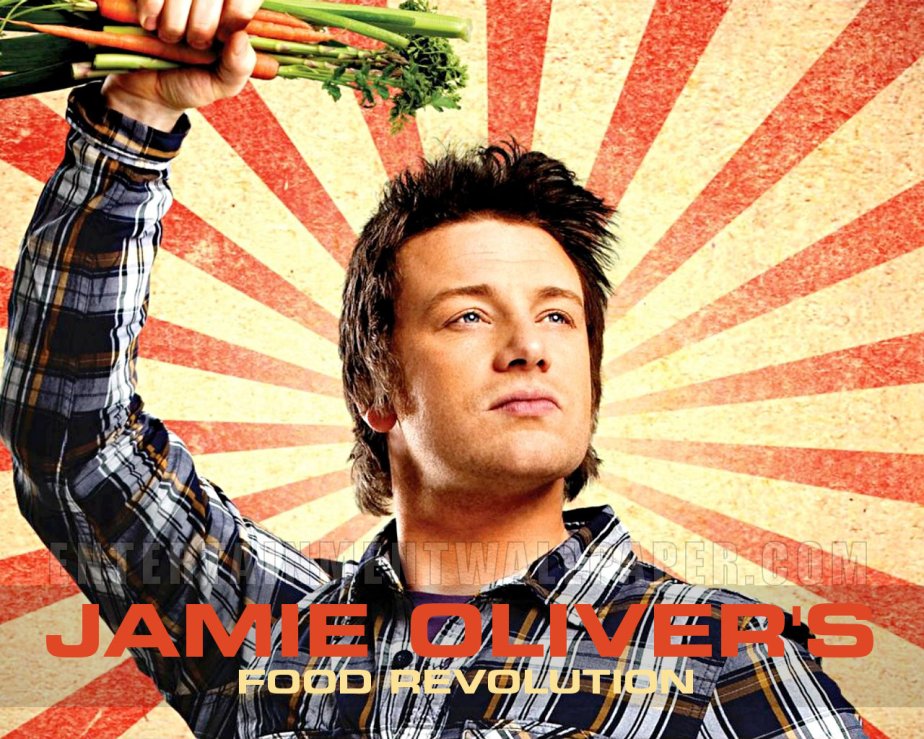
More recently I’ve been caught up in Jamie Oliver’s “Food Revolution” because what children and adolescents eat at school is a critical piece if the current trends of obesity are going to be reversed. I’ve been very interested in Jamie Oliver’s attempt to become a healthy food “rockstar” from the UK (sorry Jamie, you can’t compete with First Lady Michelle Obama). Watching the most recent season in Los Angeles, I can’t tell you how many times I yelled at the screen about how ineffective Jamie’s tactics were or how naive he was going up against an institutionalized system.

I don’t doubt Jamie’s good intentions or his passion for the work, but if this is going to be a real revolution then there needs to be some basic understandings of behavioral change and social change as well as community engagement. I’m not sure if this is just a case of making good TV by “making noise” vs. making social change by public health, but there is room for improvement.

Behavioral Change

With the recent release of new cigarette packaging and the tactics used on Jamie Oliver’s show, it has become obvious that many people disregard research in lieu of “making noise as public health.” Any first year public health student (or someone in close proximity) could tell you that the “Health Belief Model” (HBM) of making people change their habits by highlighting fears no longer works, especially among young people. The HBM relies on scare tactics, some of the best example are from old posters from the 1940-50s that feature skeletons, sharks, and death if you don’t immunize your child, cover your cough, etc. The posters and messages worked for the time period when people were scared of new health issues and followed the messages, but we live in a different time. People don’t respond to scare tactics or negative messages. This is true across the board: in politics, with non-profits, and especially within public health interventions.

The scare tactics that Jamie uses, predictably, have minimal impact on changing people’s minds or getting more people involved. People prefer to be told what is going right or what can easily be done to make things better. Messages that empower individuals and reinforce positive behaviors are more likely to receive a respond. People want to know that they have the ability to make the changes themselves. When Jamie has a classroom discussion with adults who are facing health problems as a result of their past bad eating habits and lack of activity he fails to realize earlier that this is something the teens are facing already with their own family members. Studies have shown that young people respond even less to HBM tactics like these, largely because out of all age groups young people like to know that they have control of their lives – and they do!

Tactics for Social Change

I know its a TV show, but one man cannot make a revolution happen. Any community organizer will tell you that it takes many hands and years to make real and lasting changes to systems and structures that are doing harm. Jamie Oliver stands in a great position to include more people, spread awareness, and organize communities to work together to change their political and educational systems for better school health. However, that is not what happens. Jamie is always surprised by the low turnout and minimal impact of filling a bus with sugar or getting upset with the LAUSD superintendent. Telling parents that they are doing everything wrong won’t create community buy-in.

It isn’t until the final episode that Jamie encounters a group of parents protesting high sugar flavored milk in the schools that a first real attempt to meet people where they are happens. There are many people who want a food revolution and they are already doing the hard work. The final episode is also where Jamie brings together a group of top chefs in LA to run a competition with school cooking teams. This is a great example of the necessary coalition building and community engagement that needed to happen closer to step one.

If you want to change the policies of structure of a system, then you can’t start at the top. The superintendent, as we saw, has the power to kick people out, but not change whole policies. Jamie needed to start by building relationships with people within the system who have more power to push for change. The cafeteria workers would have been a great start. When Jamie finally met some of them, they were overjoyed with his message and could have been  a big force for change in food preparation. The superintendent wasn’t on board, but maybe one of the Board members was sympathetic to the food revolution message and could have been an important ally inside. You have to work on smaller targets before you can take on your primary target.

Building a coalition of people both inside and outside the system that you want to change is critical to making real social change. Jamie kept trying to take on his primary target, the superintendent, as an outsider with no community backing. You have to start with the hard organizing work of bringing together other influential community members, workers in the system, and individuals with power inside the system in order to effectively push for change.

Community Engagement

Throughout the whole season it was painfully obvious that the community wasn’t behind Jamie’s antics, but there weren’t very many opportunities for collaboration. Many of the points I want to make about community engagement are already listed above, but I do have one key ingredient that was missing in Jamie’s outreach.

Listening. From Jamie’s first show in LA he was telling people what was wrong. He used a series of scare tactics about school meat by waving inedible raw pieces of cow in parents’ faces. It was gross and it made a point, but it didn’t give anyone the opportunity to get involved.

Thinking back between the first show and the final show, if Jamie (or his crew) had taken the time to LISTEN and find people who were already championing the cause of better school food then he might have had a more successful season.

Conclusions

Jamie ended this season by saying, “It’s not about me. […] We all gotta start stirring the pot.” I have more hope for Jamie Oliver’s Food Revolution after the final show where he did some community listening, some great community engagement, and even some coalition building. Maybe he is even beginning to recognize that the problem isn’t all on his televised shoulders, but it is shared across the community – and they want change too.

Here are a few improvements to tactics that could revolutionize the food revolution:

  1. LISTEN to a community before acting on their behalf
  2. Focus on systems change, not just people in power
  3. Practice patience: the problem wasn’t created overnight, its not going to go away overnight
  4. Use inclusive tactics: don’t reprimand or scare

world record for enriching the poor goes to. . .

Mount Kilimanjaro sets the example for tourism that directly benefits local development, says the Overseas Development Institute (ODI), the UK based think tank that promotes evidence-based development theory. ODI’s report on tourism dollars in Northern Tanzania indicates, “that local residents earn 28 percent of the total revenue raised at Kilimanjaro from foreign visitors.” Granted this report (full report available here) publishes data collected from May – October of 2008. A lot can change in three years, especially in developing economic areas.

The study’s conclusion was that this represented the world’s highest and most successful transfer of resources from tourists to local poor people. “This is the most successful transfer of resources from international tourists to poor people living around the destination that ever seen anywhere in Africa or Asia,” stated Mr Elibariki Heriel-Mtui the SNV Adviser in Private Sector Development (quote from allAfrica). It is very unclear where the measures come or other examples of tourist dollars transferring to local people. Rarely are there stories about how a local resources actually benefit local communities instead of being exploited by outside interests. However, is 28 percent really the best that can be done?

Mount Kilimanjaro is the highest peak on the African continent at over 19,000 feet and attracts roughly 35,000 climbers per year. The ODI averages total in-country tourist expenditures at around US $50 million. Therefore, the 28 percent that makes it into the local economy is around $13 million. That $13 million is considered “pro-poor expenditure” – I wonder if it can be written off as a tax deductible donation? The report goes on to talk about other high tourist areas of Tanzania including Ngorogoro crater, which attracts almost 400,000 visitors, but has only 18 percent of expenditures considered pro-poor.

What makes Kilimanjaro so much better? Is it the specialized skills needed to assist climbers to the peak? Is it the difficult and remote terrain? How can 28 percent be considered a world record of pro-poor expenditure? There must be other high tourist sites around the world where there is a higher percentage of expenditure that is returned to the local economy. Anyone have examples from other areas of the world?

finally a triathlete #HawkITri

On Sunday, June 5th 2011 I completed my first triathlon. It has been a goal of mine for the past 3 or 4 years and finally I succeed (with some helpful pushes)!

During college I occasionally trained with the MSU Triathlon Team, they were a fun crew that comprised of some intense workouts and really hilarious people. However, I always skipped the swimming training days because I was intimidated and didn’t know what I was doing. I had run cross country in high school and continued to run as my primary mode of exercise ever since. I had also picked up a love for mountain biking during high school, which I carried through college and got my first road bike after my bright yellow mountain bike was stolen.

My fiancé (Nichole)’s Dad, Uncle, and Brother competed in the Hawk Island Triathlon last year. I declined to participate because of an ongoing runner’s knee issue as well as my lack of experience in swimming.

This year, after Nichole suggested I sign-up for a swimming class at the YMCA, I finally completed my first triathlon! I spent all winter trying to get my knee back in shape with spinning and signed up for the swimming class in the spring. I then spent most of my mornings up until the triathlon working on building up my ability to swim more than 2 laps without needing to stop and breath.

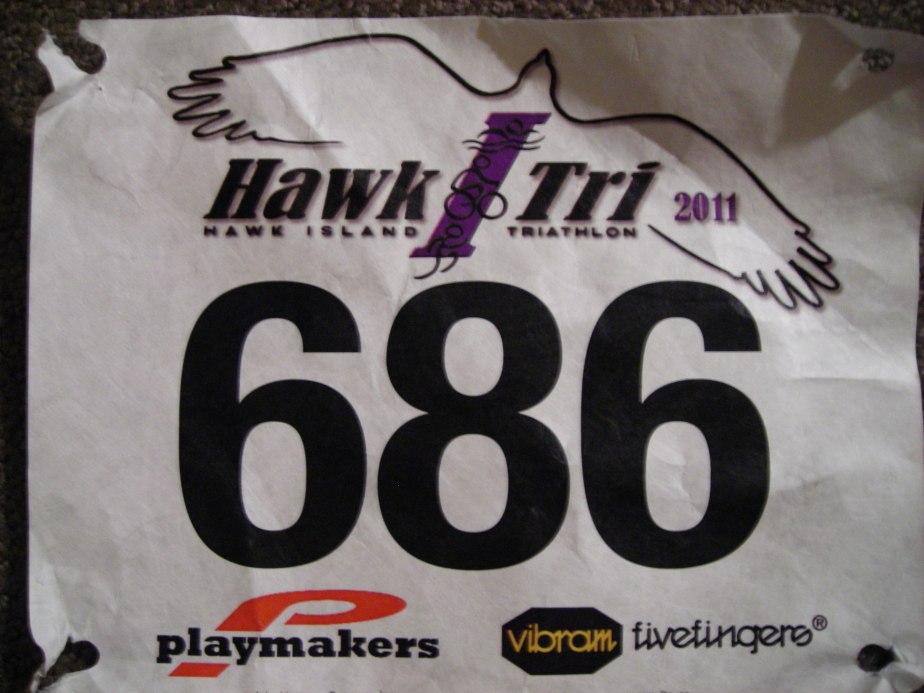
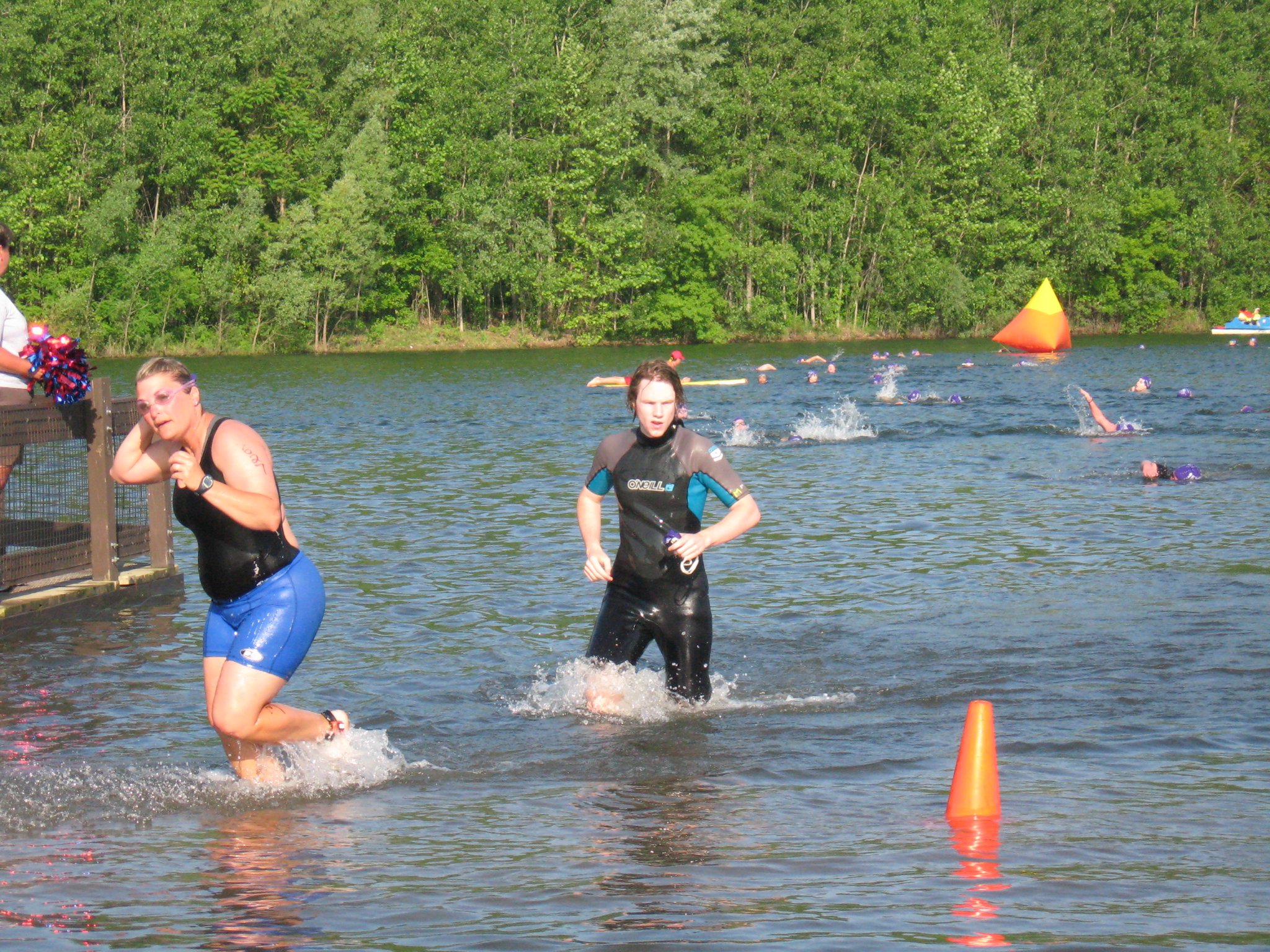
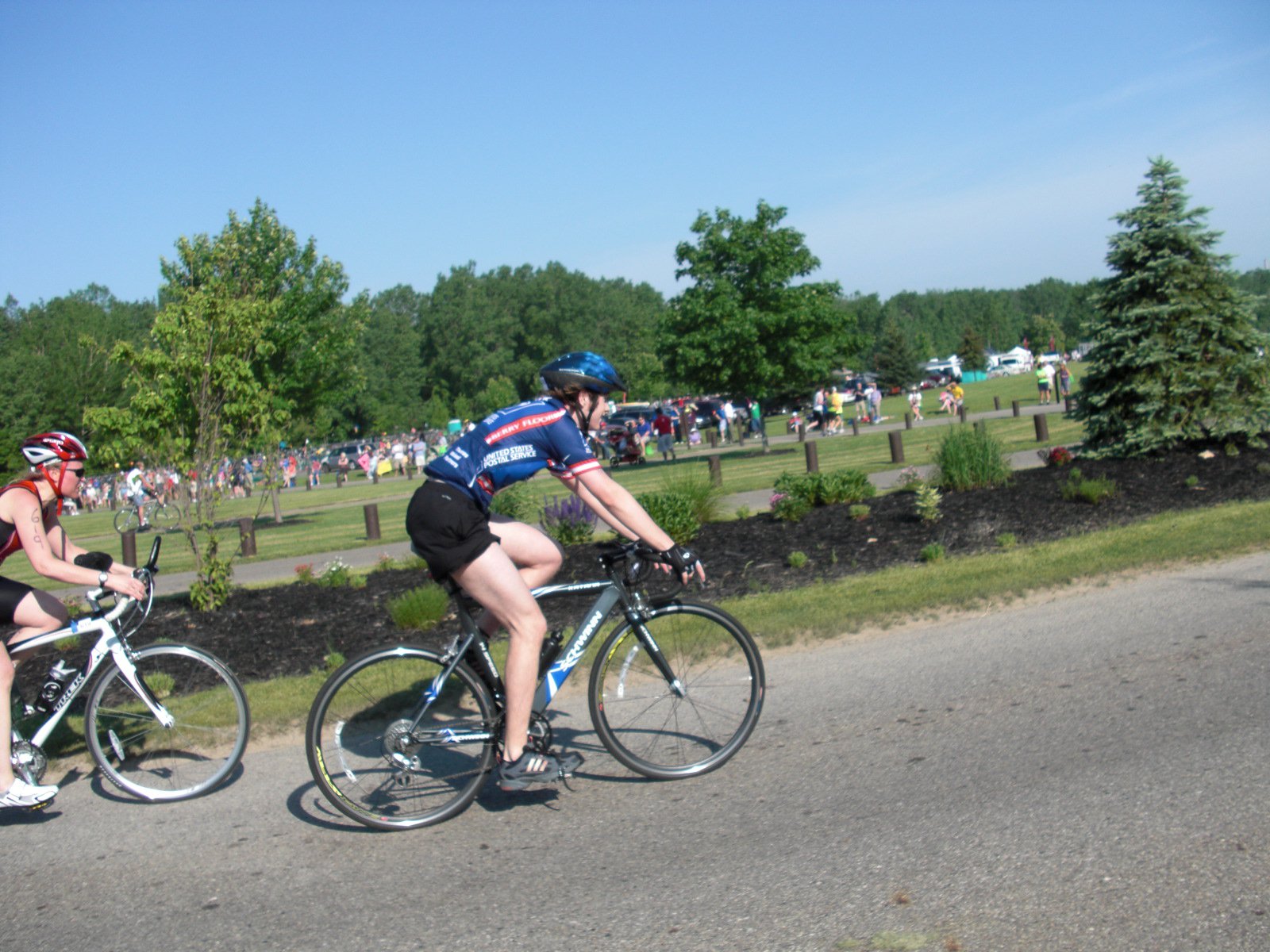
I felt mostly ready (even though I hadn’t run or biked much) the day of the triathlon. The Hawk Island Triathlon is a “sprint” length: 400 meter swim, 16k bike, 5k run. The chilly open water hit me and I completely forgot my plan of freestyling to the first bouy then switching to breaststroke. My sidestroke lesson when I was 8 years old came in handy so that I could catch my breath. Transitions are harder than I imagined (gotta cut down on that time in the future), but all in all moving from one activity to the other was painless. Check out my results, #686: HERE

Hawk Island Triathlon I will see you again and there even be some other triathlons in between. . .

Things to work on:

  • Biking and running together
  • Swimming longer distance
  • Eating something during the bike
  • Transitioning!

HIV solution: decentralizing treatment & patient empowerment

At the core of successful health programs are powerful community systems. Whether they are strong local governments, community-based organizations, or just informal groups of individuals – these types of community centered systems keep health programs focused on serving people and meeting needs in ways that will be most effective for the community.

In what has been called a model for Africa and US health programs by CDC Dr. Kebba Jobarteh, Mozambique is leading the way in restructuring how HIV treatment and support is delivered. Most countries in southern Africa have very high HIV prevalence rates as well as difficulties in providing treatment to those who need it. While there are many people in need of HIV treatment, there is a critical lack of adequate health infrastructure, clinics, hospitals, and health workers, to deliver the necessary services.

Providing treatment is just the beginning of the battle. Once an individual starts treatment with antiretrovirals (ARVs) they need to continue to adhere to a regular regimen of ARVs. Access to the medications and clinics along with regularly taking ARVs present a two-fold problem in areas where health services have long been weakened by a plethora of misfortunes: apartheid, structural adjustment programs, lack of development, under-investment, etc.

The new model developed by Doctors without Borders (MSF) puts communities at the forefront. By creating “patient groups,” treatment is decentralized to small health clinics in communities. This model spreads the responsibility to communities where there is the greatest need. The patient groups act as both a delivery system for ARV drugs as well as a support network for those with HIV. In many rural areas, people don’t have the time to travel long distances for extended periods of time to get their ARV drugs. The members of a patient group take turns traveling the distance to the health clinic. Likewise, members record whether each member of their group has taken their ARVs regularly and on time, which is then reported to the health clinic.

The model is very similar to that of “community health workers” (CHWs), who are members of the community that share knowledge and provide services when health systems can’t. As a solution to the inadequate health systems seen around the world, the “patient group” model puts those who need health services in control of their own treatment with the backing of a support network from their community. This may be a more effective model than CHWs since those who need treatment are providing the treatment. What better way to understand patient needs than to listen to the patients?

The CHW model has been popularized by organizations such as Partners in Health working in communities in developing countries. The model has now spread to urban areas and “developed” countries around the world. The patient model is yet another example of rural solutions from developing countries setting the bar for gaps in health care treatment in developed countries. A patient-centered/ people-centered approach to health delivery will make health systems more effective and successful around the world.

Featured on the Americans for Informed Democracy Blog, where I’m writing as a Global Health Analyst and reposted by Partners in Health.

carrenhos de chocque em mocambique (required to fight aid worker burn-out)

During my three-month long internship with a small-scale HIV/AIDS non-profit in South Africa, I visited a friend working in Mozambique with an HIV/AIDS activism organization as part of her Peace Corps placement. Beyond the entirely new experience of traveling to Mozambique, I met a very interesting crew of international development/ aid workers who gave me some great insights into who I might want to become if I entered the international development/aid arena. From working on a small operation in East Darfur, Sudan with a religious relief agency, to a technology focused firm constructing health curriculums funded by PEPFAR, to those doing backend all office-based, administrative work for USAID and the Clinton Foundation,  they were all at various stages in their lives and working in very different aspects of  development/ aid work. Some of the volunteers were in their 40s, others just out of college in Peace Corps, some had just come from extremely stressful environments where “guns were like sticks,” while others had just come to complete an internship for their Princeton graduate degree, all in all it was a motley group that gave a compelling snapshot of aid workers and the many directions they can come from and be headed towards.

4 August 2008

After walking from our hotel, my friend and I stopped at a “local” bar named Pirata (Pirate) to meet up with the motley crew of aid workers. We then headed into downtown Maputo for dinner at a restaurant recommended by one of the aid workers who had spent the longest time in and around Maputo (he had serious Mozambique cred). I had a supposedly traditional Mozambican dish of beans, rice, and shrimp which was very delicious or I was just supremely hungry from the day’s 8 hour bus ride from Johannesburg.

The Maputo based aid worker then took us to an odd sort of carnival hidden in what seemed like the middle of Maputo. It was randomly placed and not very large, but took me back to days of my earlier youth when we would visit the noise, lights, and crowds of the church carnival. We all were initially a bit shy about expressing our joy at the sight of children’s carnival games, but soon we were all reveling in the freedom from our assigned professional roles.

As we were the only ones at the carnival late in the evening, we had the whole place to ourselves. We all lined up and filled the bumper cars (carrenhos de chocque). The crackle of the electric wires, childish shouts of aid workers, and huge grins of pure joy made me realize that this should be a required exercise for all aid workers no matter if they are in the USA or based in a foreign country. We all need to take a step back every once in a while and just let ourselves enjoy being uninhibited by things as unimportant as bumper cars so that we can focus on important work.

A note for the future:

We all have to find what it is that helps us keep sharp and focused while also reducing stress, physical and emotional. The best thing to do is to schedule time when you can be unfocused, let loose, and enjoy time unencumbered by tasks, to-do lists, or responsibilities. My current job has a lot of frustrating client cancellations (currently the reason that I can sit and write this), long commutes with driving stress, and odd hours. As individuals who work in the field of aid, global health, and community development, we all want to love what we do, but the reality is that it is often a grind with harsh and far reaching social consequences that can cause us to resent a job. We all need to find those coping mechanisms that allow us to vent and rejuvenate our passions.