a mixture of black, white, red

14 June 2007
Our third visit to the Volta Region.
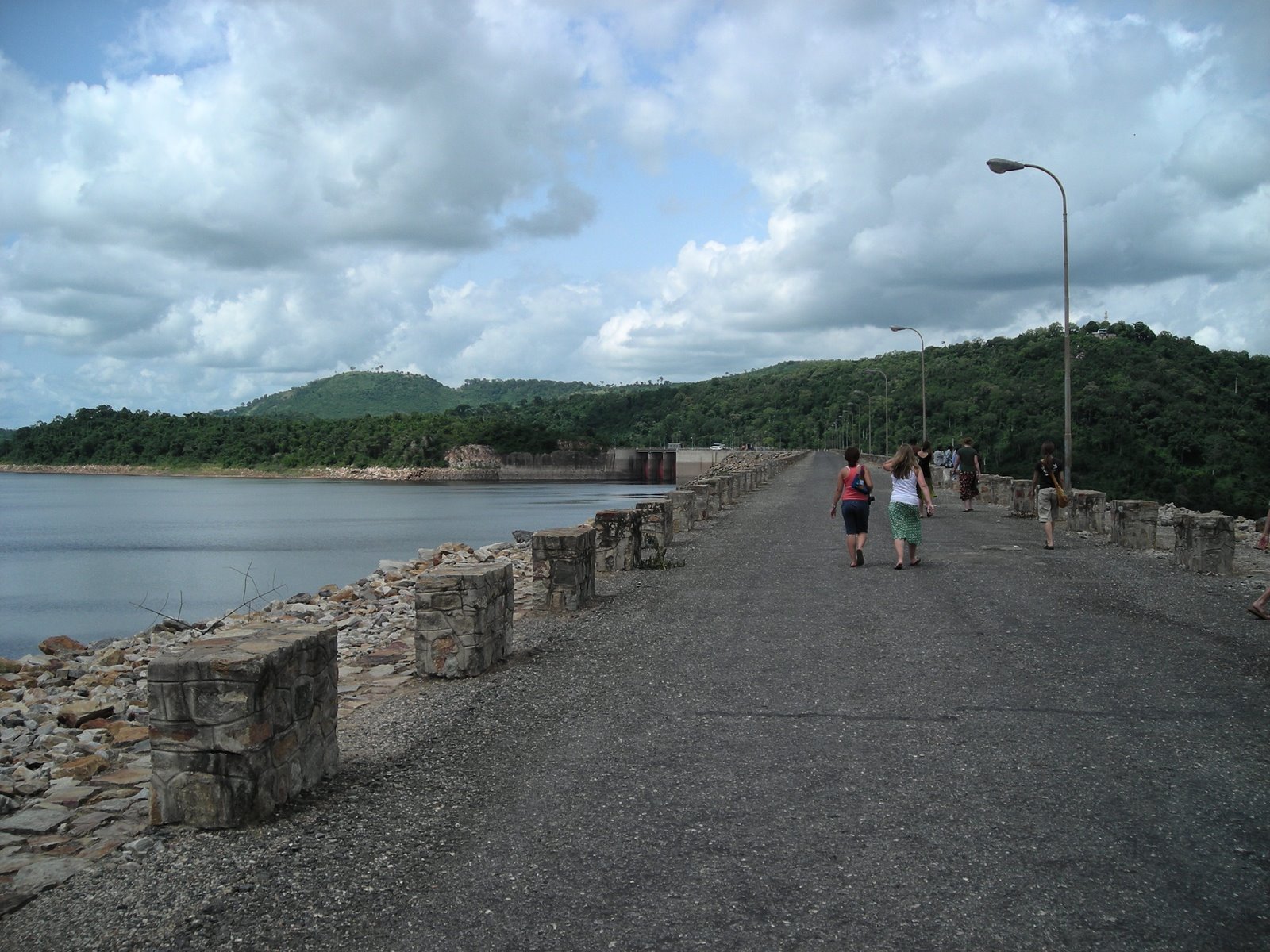
We visited the Akosombo Dam, creator of the largest man-made lake in all the world. This dam was constructed in a brief three years by Italian engineers. The Lake is formed from the Black, White, and Red Volta Rivers coming from Togo, Benin, and Cote d’Ivoire. Volta in the local language means ‘rapids,’ now there is just a giant dam. The dam was built to be used for electricity and to create a source for fishing. The dam was huge and presented a great mark on the landscape of Ghana’s lush forests near the Volta Region. The dam provides all the power for Ghana, but currently there is an energy crisis. We have experienced this crisis with frequent black outs and power outages al across Ghana. We discovered why this is happening by viewing the extremely low water levels for the operation of the dam. Our guide told us that they are waiting for the rainy season to get into full swing to fill the Lake Volta and increase the power.
No pictures were allowed of the operational side of the dam, but here they are. After learning all about the dealings and history of the dam and how it works we walked back across the bridgeway and I noticed that there were less power lines heading to the north of Ghana and a great number headed to the Accra city center and southern Ghana. This seemed to be an all too common theme and yet again more evidence of the disparitites between North and South in Ghana. Kyle noted correctly that this was a great scar of development. The dam stopped up the rivers that now create the Lake Volta which covers one fourth of the country. It harnesses the water for electricity and development. It sits high and heavy on the once beautiful landscape on Ghana and screams of a continued practice of harmful ‘development.’

Seeing Lake Volta for the first time reminded me of an article that our professor showed to us about child labour in the fishing industry on lake Volta. The article was from the New York Times and followed the stories of families that could not eat and sold their children into labour for money with the promise of seeing their child once a year and being sent more money. Those promises rarely hold up and often the children are beaten, overworked, and never return home. The article covered the story of a young boy who worked on Lake Volta, fishing in the potentially dangerous waters with little sleep or rest, and a lot of work. Child labour is not beyond the ‘most developed’ country in Africa. It happens here, in the very eyes of development.


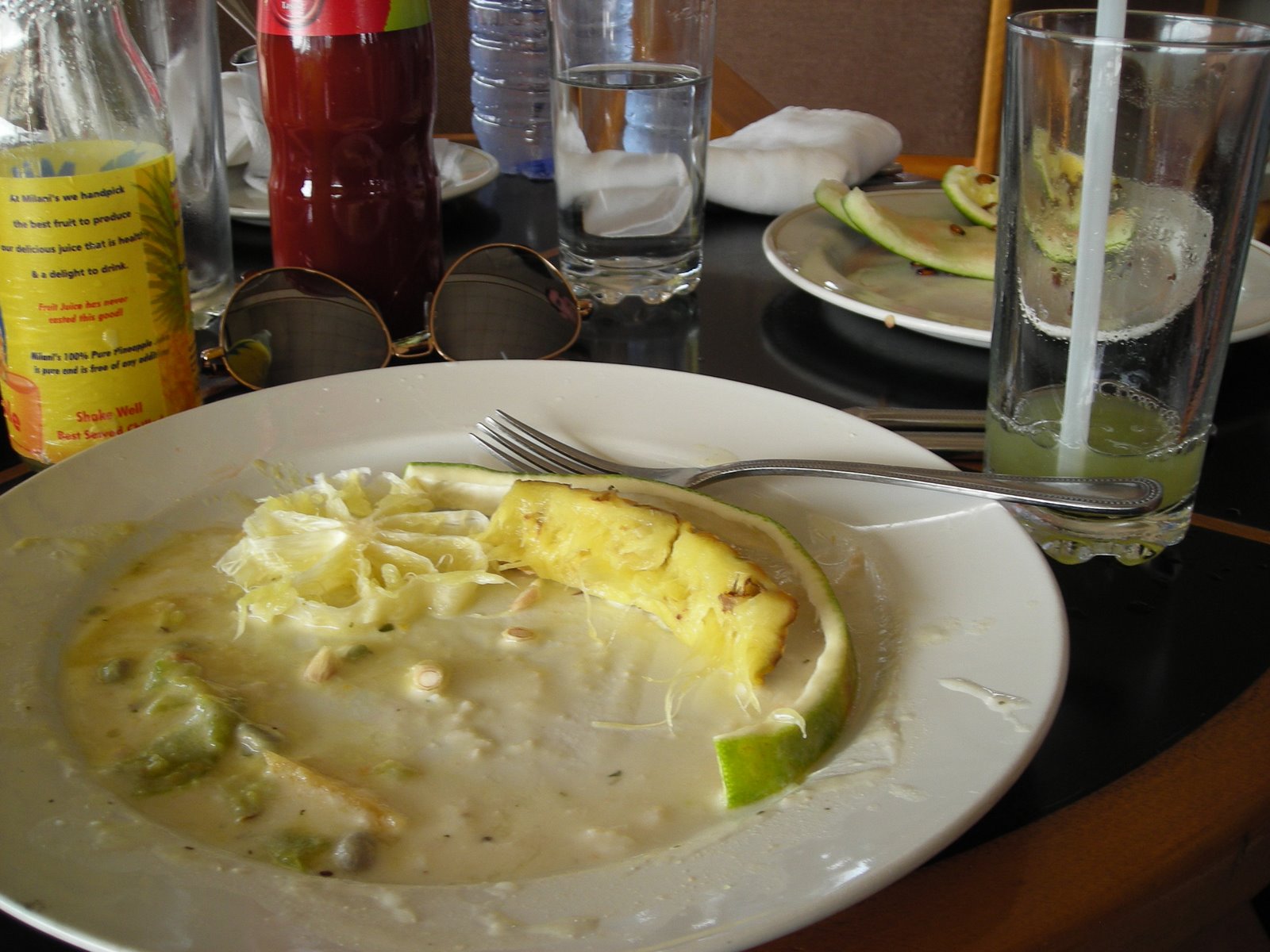
We headed over to the Volta Lake Hotel to have lunch. The hotel was a great Western hub catering to Obrunis (this is the correct spelling) and providing one of the most delicious meals yet. I forgot to take a picture before the meal, but here is the after picture of my ravaged plate. I was quite hungry by this time and the fillet of perch with a cocktail fruit drink and fresh fruit hit the spot.
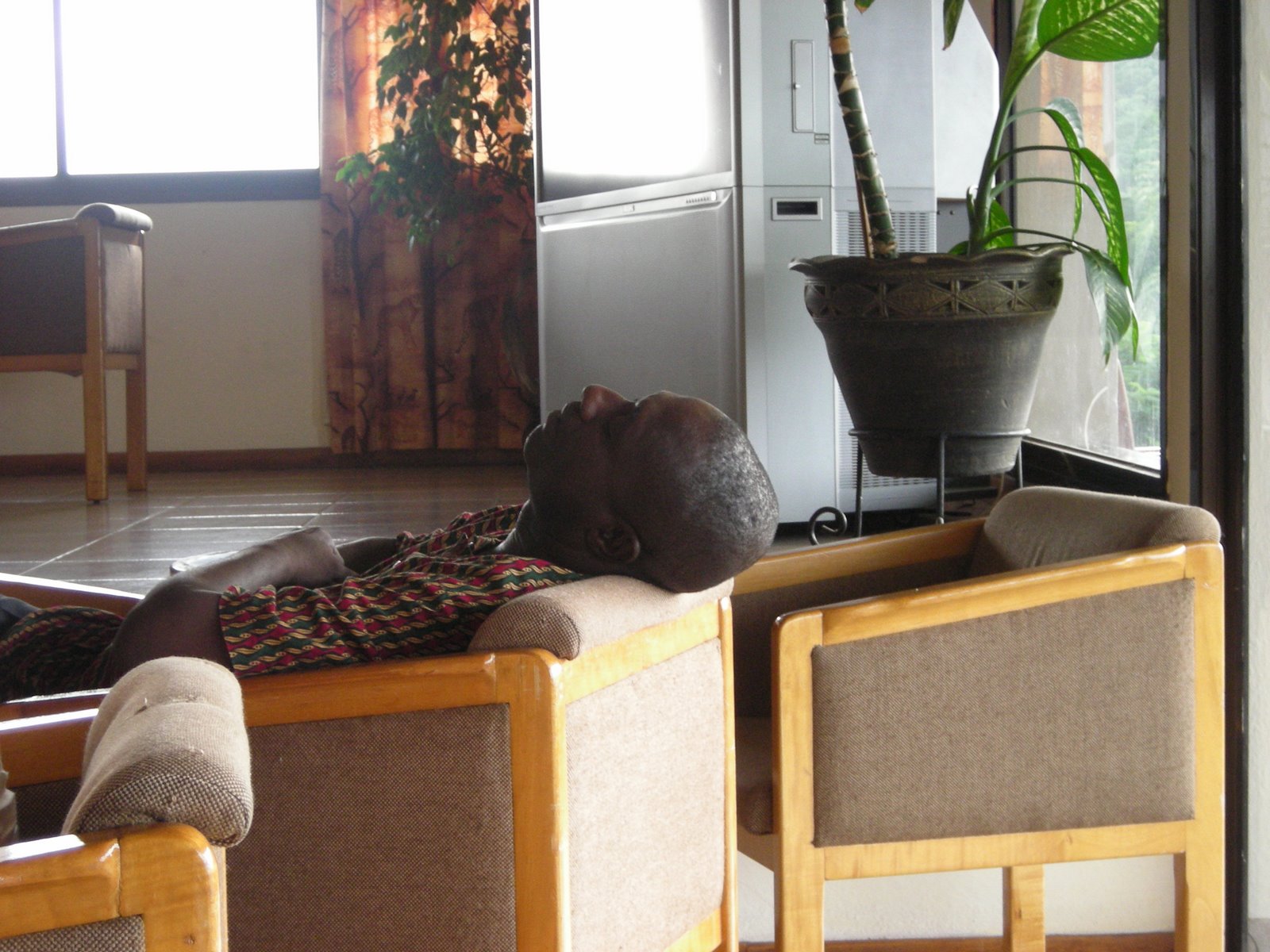
Our bus driver was very tired this day since the day before the bus needed repair and there was trouble finding the part, he had been up since 5 am that day. He took a little nap.

Index of blog post series on Ghana.

snapshot of health in ghana

We are now a week into our second course of out study abroad program, studying the disparities of the Ghanaian healthcare system. These disparitites range from Ghana to the US, urban to rural, and ever North to South. We have seen and learned about a number of different healthcare situations in Ghana. Since my interest is in access to basic healthcare I have been watching health clinics as we traveled around for the first 4 weeks and I have been trying to understand how the healthcare system worked, now all that I have observed is making more sense.

The Statistics
– one third of the 138 districts have no hospital
– high maternal mortality rate (hemorrage & infection)
– beyond the capital the road system is poor
– 40% of population is covered by the national insurance
– life expectancy is 57 (this has fallen with the emergence of HIV/AIDS)
– healthcare is geographically, financially, and culturally inaccessable

The key problem in Ghana is figuring out where the divide should be joined between traditional and western medicine. What is more interesting is the integration of traditional medicine into the very western Ghanaian health system. I noticed from my pre-healthcare course observations that there is a large number of missionary clinics, government hospitals, pharmacies, and other private health service centers in the Accra area. As we traveled from Cape Coast, Volta Region, and Kumasi I noticed that there was a lesser degree of healthcare services advertised or offered. Why was there such a change from the urban to rural was my first question. Even more so why was there such a disparity between the other regions and the Volta Region of Ewe people?

7 June 2007

Our first visit of the health systems in Ghana was to a health clinic and research center that was solely focused on using traditional medicines and herbs for cures of ailments. It was very interesting to observe the research being conducted and see that they were also running a full health clinic with their findings. The center claimed to have WHO (World Health Organization) funding, but I am not sure if that is true anymore. While there we met some students from the US who were interning at the center for the summer. This is a direct linkage between the traditional and western methods of medicine. This also brings up the issue of intellectual property rights – do the communities that the center learns from benefit from its revenue? Sure the health clinic, but otherwise? This is a reason that the center’s director gave for not partnering with large pharmaceutical companies – to not lose IP rights.


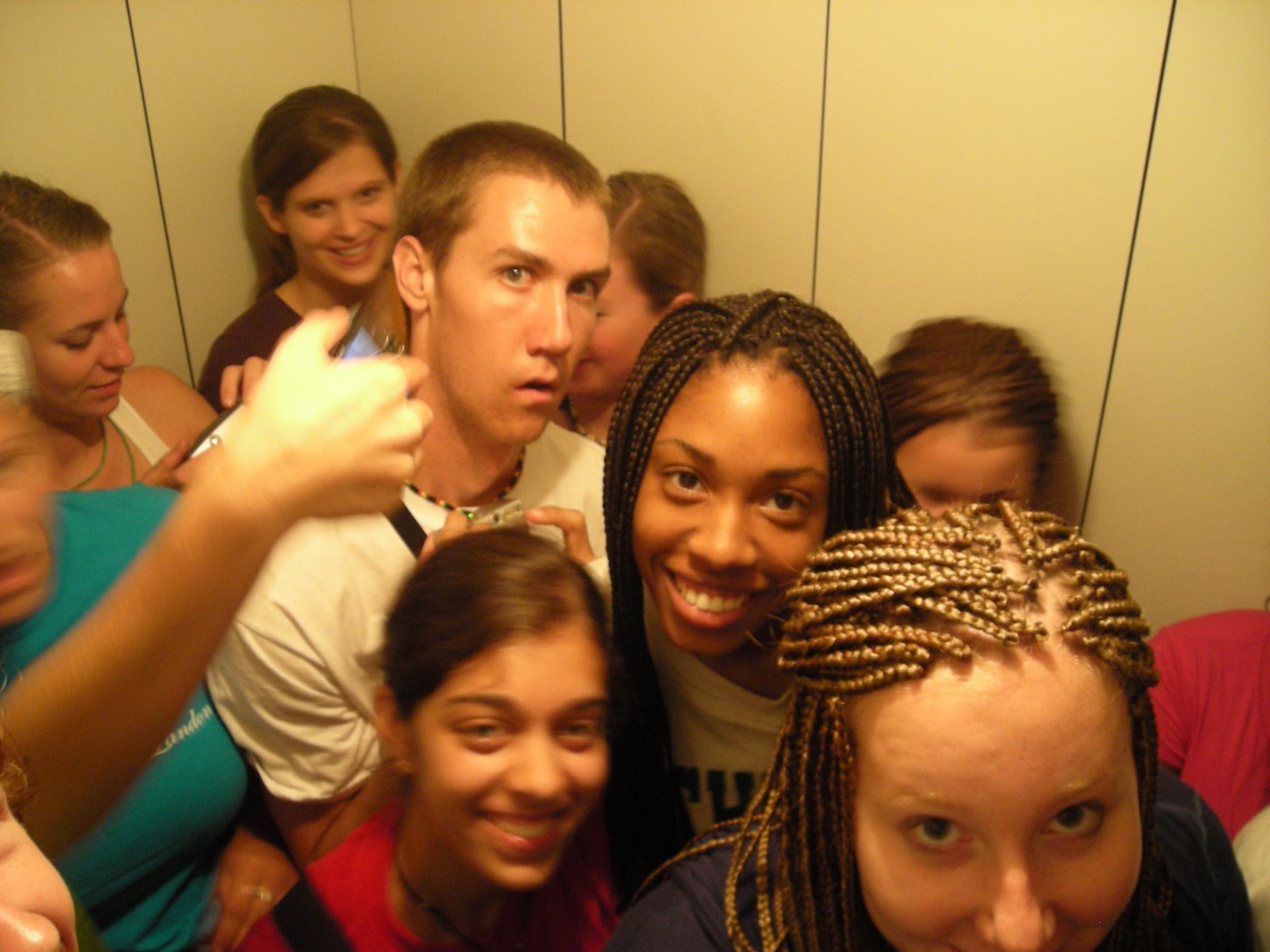
From there we went to the Mampong district outside of Accra to view the structure of the health systems and network of regional health services. We first visited the regional administration offices and talked with the head nurses. They gave us a very well run and organizaed outlook on healthcare in Ghana. At the offices there was also a counseling and testing clinic for HIV/AIDS and a peer educator class taking place. Here we learned that USAID (United States Agency for International Development) provided food rations for new mothers and mothers with malnourished children. I asked if this was true at all regional districts. The answer was yes, but I wonder if all the regions are as well established as Mampong. We then went to visit the regional hospital. It was a large, modern building, not very dissimilar from what you would find in America or Europe. But, there were obvious differences in the developed nature of the hospital. It was a nice hospital, but not one that I would want to stay in. We were given a tour of the entire premises and had a near-death experience in the elevator. Twenty plus people in an old hospital elevator in Ghana makes for exciting times. The elevator descended with the help of our weight and gravity – there was a loud bang as we hit the safety catch – there were still three floors to fall. The head nurse was not very keen on what to do next, but eventually we all climbed out from the gap left between the two floors to the wondering faces of what seemed like the entire hospital staff. Its the stairs from now on.
There seems to be a very good system of healthcare in the relatively developed areas of Ghana, but as for the villages I cannot say. It seems that we have visited mostly well put together centers and clinics. This made me think of the situation in Uganda, where it is the private and mission clinics that have all the supplies and the government run centers have absolutely nothing – very different.

At the Mampong regional administrative offices we learned that in many villages where there is no clinic or government hospital there is a nurse that lives in the community and is charged with the health of that community. However, I cannot speak to the degree of training or equipment that these community nurses have. This speaks to the obvious disparity between the urban and rural environments. There is not as much access to healthcare in the rural areas and so I wonder how much access there is in much of the rural North of Ghana? How many people do not have access?

11-13 June 2007
Some of the issues brought up in our classroom lectures about the health systems in Ghana relate to money. Not everything is covered and so some people cannot pay for access to services. There is bribery in medicine, we have not experienced this, but I do not doubt it. The basic insurance policy in Ghana costs about 72,000 cedis a year, this may not seem like a lot to ‘developed’ countries, but to a Ghanaian this could mean a great deal. In its health development, Ghana is still working on eradicating polio and guinea worm – even in metropolitian areas. Sanitation is a big problem. “The world is my toilet,” has become a joking phrase among the males in our group. If you are a male you can urinate just about anywhere, except where it says, “do not urinate here!” However, you still see people urinate by those signs. Sewage drains have stangant water and often do not drain anywhere. Trash is not collected and is often burned by the roadside. This reminded of Uganda where trash is just thrown out the window. In Kampala you cannot get away from the smell of burning trash, and there are not even drainage ditches.

Another issue brought up was that of ‘assembly line medicine.’ In Ghana there is such a high number of out patients (40% due to malaria) that the health workers often diagnos based on perception, not based on evidence. The issue of traditional and modern medicine is also a hotly contested topic. The health worker crisis in Africa seems to have been circumvented slightly in Ghana. Ghana has included traditional birth attendants in their health system and has just set up a new council for traditonal medical healers to have their say. The most fatal health issue in Ghana now is maternal motrality. Why? Good question, Ghana is ery developed in its understanding of health practices and so it makes no sense whatsoever that a mother should die due to complications of childbirth.

We next traveled to Ashesi University, a private, liberal arts university in Ghana (the most liberal in all of Africa, supposedly). Here we met a Fulbright fellow and a former fellow who is a profesor at Eastern Michigan University. Here we talked about the ‘brain drain’ and new ideas for Ghana’s health system. Currently a physician is in charge of managing the health center, but this means that often the physician has no idea how to manage and makes the staff unhappy and then does not practice medicine because he or she is too busy managing the center. The professor from EMU was working on publishing a study to help change this and introduce education for health managers. The incentives for staying in the country to work are minimal, but inticing. If you work in the Ministry of Health (MOH), then you can be sponsored to increase education and degree. The professor also talked of how Africa, “gets under your skin, you keep coming back.” It really made sense to me and I really don’t want to leave.

13 June 2007

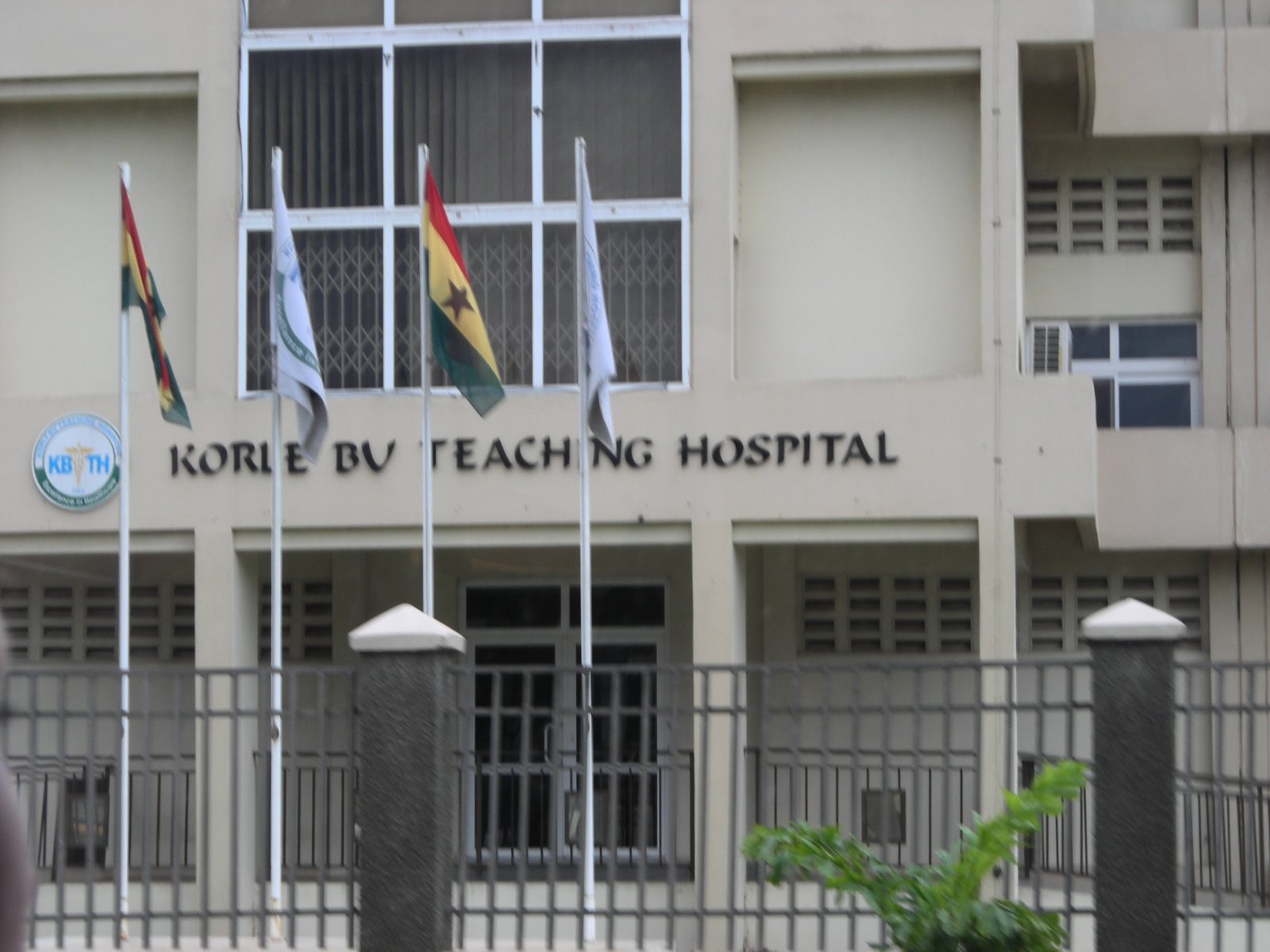
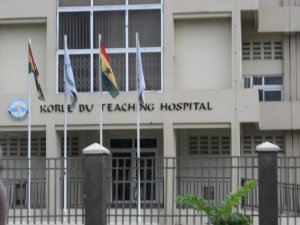
Today we visited the Korle Bu hospital, the best government hospital in all of Ghana. We were not able to tour the main clinic becuase we arrived late, but we did get a quick tour of the Department of Child Health. It was a very nice center, as you can tell from the pictures. This was again an amazing compund that constituted a village in itself. It was obvious that this center must receive a large amount of the government funding for health. There were a number of different center, housing for doctors and nurses, a bank, pharmacy, and a teaching hospital for the University of Ghana. Hopefully we can return later and get a tour of the main clinic to see how things are run there.
The recommended health center for the MSU program students, if they are to fall ill on the trip is Nyaho Clinic. It is a private center tucked away in a random area of Accra. We have had a few students go there, but I have not seen for myself the interior. I have heard it is very nice and Ghanaians in the health profession know it as a nice and expensive clinic.

So far most of the health systems we have seen are very well established and well run and seem to be in great condition. We have not seen the failings of the Ghanaian health systems and the picture for now seems very rosy. I have seen the many mission, private, and government hospitals and clinics in the fairly ‘developed’ regions of Ghana. What I have not seen is the lack of healthcare like I saw so vividly in Uganda. The EMU professor at Ashesi University told us stories of his experiences with health in Ghana. He told stories of overrun rural clinics, a family’s inability to pay for lifesaving medication, the long distances traveled wo receive attention when it is too late, the sheer numbers of people who just do not have access to basic healthcare. This is where I feel we should be, this is where it would make sense to me, this is where we can make a difference. We will now be leaving for the village of Otibini near Danfa to do a community health assessment. I think here is where we will get to feel the village life and true health crisis.

Index of blog post series on Ghana.

the chinese influence

The Chinese influence in Africa is a topic that I have been researching for a few years now. I have conducted most of my research by way of news sites and journals in the States and with the help of the internet, but now I have the opportunity to see firsthand the impact of the Chinese influence in an African country. This entry will follow my experiences and insights on how China is involved in Ghana.

The first thing that someone traveling in Ghana will notice is that there are so many Chinese restaurants. They are just about everywhere. Chinese food is almost as prevalent as Ghanaian food. Sadly, the Chinese food is not at all what you would find in America or for that matter China. The menus are often 15 pages long and with only minimally Chinese named dishes. Nevertheless, Chinese restaurants are everywhere. Also in the service industry there are a number Chinese themed hotels that host a number of Chinese tourists and business people. On our walks down East Legon we see them buying bread and other food stuffs at the market.

As some of you may know, China is currently one of the highest (maybe the number one) foreign aid provider. This is often called ‘rogue’ aid because it is not administered through an aid institution without any restrictions on aid usage. This aid is evident in Ghana with a number of projects sponsored by the Chinese government. One day on a tour of Accra, near the Kwame Nkrumah moselium a police escorted motorcade shot through the traffic with a handful of Chinese officials. The wonders of Chinese aid is prominently displayed in the construction of the National Theatre, it was completely funded by the Chinese government. I wonder if there is any linkage between Kwame Nkrumah’s administration and the remaining Chinese connection. During his rule Nkrumah often hosted Chinese officials and received help from China.

The people, the aid, the food, the history is all here. There is a deep worry, that I often agree with, China is seeking to gain natural resources from African countries. They make a number of aid packages for ‘development’ and sign bilateral trade agreements, but what does it all mean? Is China’s motive in Ghana to reach a growing market economy? Is it to cash in on the mineral wealth of Ghana? It cannot be just to build a National Theatre and assist the Ghanaian government with ‘development.’ I really wonder what the specific trade-off for China is.

China is not the only big aider that I have noticed while in Ghana. Iran is sponsoring a number of projects and many of the government ambulances are donated by the Republic of Iran. I will touch more on this in ‘A Snapshot of Health in Ghana.’

Index of blog post series on Ghana.

and the beat goes on. . .

i am about to tell you a story
of lives forgotten and an absence of glory
for i have seen the faces
of people who will never live again

and this is a mark of indelible pain
coursing forever through my viens
so i continue to tell their story and ask for help
because there is a great lacking
for solutions to write a new ending
to the story pending

because there they lie,
broken and dying
on the doorstep of humanity they are lying
waiting for someone to hear their cries
before another so needlessly dies
starving and forgotten
they know not what will become of their fate
in this terrible world of power, corruption, money and hate

on that bright sunny day
somewhere in the month of may,
i came across a drum
and that has made this vision come
as the story i am about to tell
is percussed from that drum’s resounding yell

i learned the rhythms
i learned the beats
and as i learned my sorrows increased
how can people be left to die
without a care
without emotion lost
without a helping hand
and without a hope?

this conflict is one from which we cannot fly
the beat goes on
and so many can no longer try,
to gain that basic right
in this world, that is society’s eternal fight.

and there they lie,
broken and dying
on the doorstep of humanity they are lying
waiting for someone to hear their cries
before another so needlessly dies
starving and forgotten
they know not what will become of their fate
in this terrible world of power, corruption, money and hate

power to the people
this movement flows like treacle
rise up against the institution
increased are the privileges of the western popullution
empower the oppressed and marginalized
why can we not make this effort prioritized?

progress is gained by change
and this idea alone.
this encompasses issues of a vast range
and our actions need to hone.
the beat goes on
and so many can no longer feel the pulse
the beat goes on
and so many are consumed by apathy
the beat goes on
and so many are no longer here,
this is what i fear.

stop. and hope.
when we work together we will be able to cope
joining our efforts we can change the world.
combining our passions we can shape that world.
believeing our dreams we can grow this world.
and the beat goes on
do you really care?
the beat goes on
share your story,
the beat goes on
bring your drum
and the beat goes on. . .

Alex B. Hill
written down on 28 February 2007, composed over the past year

. . . keep your promise!

Congratulations big sister Molly on graduating from Kettering University! Now the lifelong education starts which no school or curriculum can offer.

At the end of this week we traveled to the Ashanti Region to visit Kumasi and some of the surrounding villages. We began our travels just as the G8 Summit was ending and the news has been all over the importance this summit held for Africa and Ghana.

8 June 2007
The eggs and toast constant has finally been broken with some glorious french toast – syrup, cinnamon, and a delightful change. No one in our group has ever appreciated or enjoyed french toast as much as we did that morning. The heat and sun have also returned from an absence. It has been a rainy and overcast week, but the sun emerged to greet us. Before hitting the road we stopped at the Forex to exchange some money. Aljazeera News was playing and the topic was the G8 keeping promises to African aid. They reported that $25 million is sent to Africa in aid each year, but that there is an $8 million shortfall. During this summit the G8 pledged to give $60 million to fight HIV/AIDS, TB, and malaria in Africa. Will these be promises kept?

We hit the road for the 5 hour trek to Kumasi. It would have been a very boring and tiresome ride, but I had my book and BBC radio to keep me company. Top stories included the role of the G8 in keeping promises and African nations also keeping promises, J.A. Kufor, President of Ghana, speaking on behalf of the African Union as chairman asking for G8 commitment, and a stunning story about female genital mutilation (FGM) in Cameroon – a boy ran from home with his younger sister to protest and to protect her from the harmful practice. Their father then went to the village council to plead with them to abandon the practice as it had taken his son and daughter away from him. The village then banned the practice and the children returned home knowing that now many girls would not have to suffer FGM. I had also purchased a novel from the University bookstore, The Last Duty. The book is about the Nigerian Civil War of 1964, which I knew nothing about in all of my studies of Nigeria. The book tells of the war and its effect from six different people’s views, all six are linked, and all six represent a different side of the story – except for the rebel view.

Our first stop before Kumasi was Bonwire village where we visited a Kente cloth weaving shop. We were mobbed by children here and people trying to get us to buy their stuff. It must have been one of those tourist common spots. It was interesting to see all the Kente cloth and Eric, out bus driver, helped me bargain for a Kente cloth tie – very awesome. Some of the sellers were very persistent. One, I forgot his name, stuck with me and haggled me for a long while. He tried to sell me bookmarks, then helped his friends sell me stuff, then asked for money for his grandmother, sister, and himself – the story always changes.

Gracious Living Hostel was situated on a road that I knew well. It was the typical African roads that I had come to know from Uganda and feel always in my hindquarters – not a smooth surface to be found, dust kicked in the air blinding all, and a tense body ready for the next impact. At the hostel there was some trouble with rooms and so we were a bit crowded in the beds, but hey this is Africa, we can deal. Some of us played a card game called ‘peanuts,’ but which I later found out was the game I knew as ‘nertz.’ It reminded me of some great afternoons with Grandpa.

9 June 2007
We began our day with a nice breakfast and went to the Kejeta Market in Kumasi. This is the largest open air market (in the world? in Ghana?). The market was much like Makola market, but much bigger and crazier. It was also much more fast paced and there were narrower alleyways and more grabby stall owners, there was just so much more happening. In the market is where I also witnessed the ‘travels of a t-shirt in the global economy.’ There were many stands sporting the latest Western fashions, but these were obvious imports. There were large groups of people sorting slacks, jeans, and t-shirts from piles of clothes imported from the ‘developed’ world.

Afterwards we headed to the village of Kurofuforum where we learned how brass figurines are made. It is such a long and tedious process with so many steps. It gave us a new appreciation of the artwork. The man showing and teaching us had scars all over his knees and arms and could pick just about anything directly out of the fire – so calloused and hardened by his work. We then went to Bosumtwi Lake. Here we were accompanied by local fishermen on their fishing boats to swim in the lake. The fishing boats are comprised of half of a tree log, that is it. It was a very good workout to paddle all the way to the middle and a joy to swim in the, what felt like, 90 degree water. What a great experience.

10 June 2007
We began today by stopping at an Adinkra village to see how cloth is stamped. We bought a cloth and witnessed some of our professor’s skill at arguing and bargaining in Twi to get a good price. We then all took turns stamping the cloth to take back with us as a reminder of our trip.

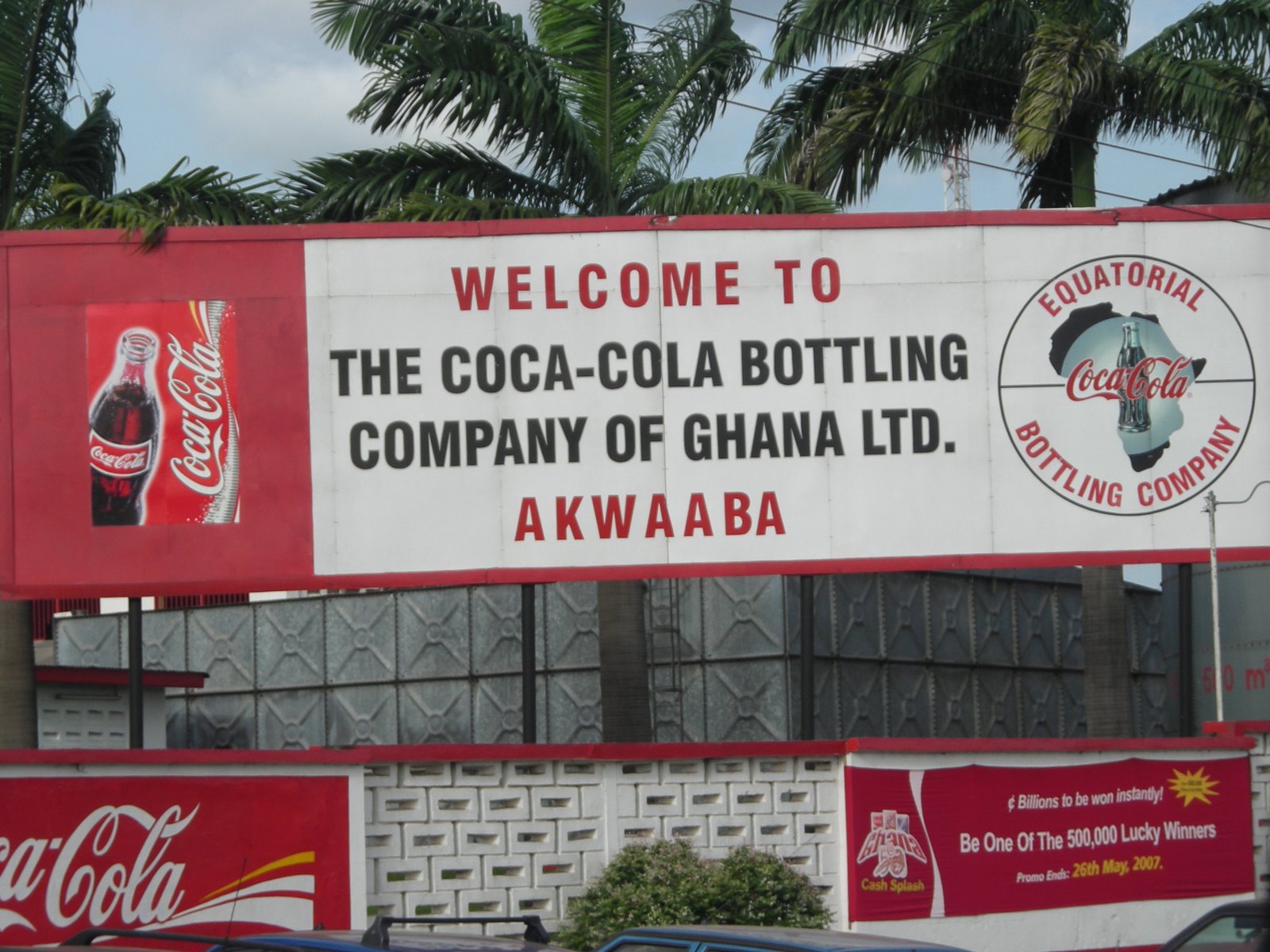
We happened to pass the regional bottling station for Coca-Cola in Kumasi. Coca-Cola is the drink of Ghana. It holds about 90% of the soda industry here against Pepsi.

We visited the Royal Court and Palace Museum of the Asantehene, the ruler of Asanteland in the Ashanti Region. No pictures were allowed and the outrageous price for foreigners followed us into the compound. We were first subjected to a propaganda video about the Asante people. The video claimed that the Asante were peace loving people, yet if you look at their history it is clearly evident that they were quite to use violence and were very aggressive people who instigated many conflicts. It was very interesting to learn about the history of the Asante people from the very place where their kingdom resides. It was especially interesting to learn directly about a people that I have studied so much.

On the way back to Accra from Kumasi, BBC doesn’t come in until you get closer to the greater Accra region, I finished my book and was finally able to listen on the BBC to debates about the G8 summit from an African’s perspective as callers from Tanzania and expats from other parts of the world voiced their opinions and reactions. Another interesting story was about the Burma Boys of Nigeria who fought in WWI for the British in Burma. The story was of colonized Nigerians fighting in Burma and being addressed by the Japanese fighters in perfect Hausa, one of the major language groups of northern Nigeria.

This weekend we have seen the greatness of the very western oriented Kumasi and the kingdom of the Asnatehene. We were able to see part of the reason that the British gave Ghana the colonial name of the Gold Coast from the wealth of the Asnate. We have experienced a region deeply rooted in tradition, powerful traditional rulers, and great wars with imperialist countries.

On the way to Kumasi our professor commented on how much has changed since the last year. She noted that there was so much money flowing into the country now as opposed to just a year ago. Is the G8 keeping promises in Ghana? we have passed so many road improvement projects that it is almost as if I am back in Michigan and experiencing the common ‘summer of orange barrels.’ Except that there is no such thing as orange barrels here, there is just random stuff in the road to divert traffic. The money and aid flowing into Ghana makes me wonder if there are any G8 promises not being kept here. The promises for keeping aid promises by G8 countries is rebuttled by the G8 calling for promises to be kept for good governance in Africa, and is again clashed with the argument by many African intellectuals to have foreign countries leave ‘development’ to the Africans.

Check for new pictures of drumming and the Peace Corps in older posts.

Index of blog post series on Ghana.
definition of development

7 October 2008 Update:
Read a more comprehensive analysis of the definition of development in a more recent post here:
definition of development (revisited): beauty in the palm of your hand.

————————————————————————-

After lecture, and another drum lesson from master drummer Chris, on Monday I gathered a group of people interested in visiting the Peace Corps offices. Six of us worked to get taxis outside of the University with a certain degree of difficulty – probably because no driver knew where it was located. It seems that our group is very good at choosing destinations of which no one has heard. All we knew was that the office was located at 26 W. Cantonments Road – nothing more.

After a great deal of roundabout driving, a couple stops for directions, and some backwards driving (as in driving backwards) we found the offices located on Switchback Road near the house of the Ambassador of Cote D’Ivoire. It turns out with all our driving that we arrived right at closing time for the day with no appointment – I guess that helps. There happened to be a few volunteers at the check-in guard house and thankfully just as we were about to be turned away one of the volunteers claimed that he had gone to school with one of us and he just wanted to show us around.

Alex showed us around the compound and answered any and all questions we had about the Peace Corps. He also shared with us his experience. He is near completing his second year and is located in a very remote farming village in the north of the country. Originally from Nebraska, he was selected for the agriculture and natural resources area. His village is on the cliffs of the north where a ten year war has just ended between neighboring clans. He has started a cashew cooperative with 13 area villages, teaches at a secondary school, works in a hospital, started an HIV/AIDS club, and is attempting to work towards reconciliation between the former warring clans. The Ghana country coordinator had at first called Alex’s assignment ‘hell,’ but he is really enjoying himself and is working very hard to make the most difference that he can. After hours of talking we accompanied Alex to dinner, since we had made him late for a previous dinner engagement – it was ok he said, “they were just high schoolers.” It was really great talking to Alex and hearing his experiences and it really solidifies my plans to join the Peace Corps after college.

This discussion with Alex really made me think about ‘development’ as the word was thrown around a lot that night. Alex has said that he really likes the Peace Corps model because it deals with integration. A volunteer is placed in a village or area and works with the people to improve their situation. This as opposed to some large organization or institution just giving out money to big plans they believe will work. But, what is the definition of development? Who gets to determine what development is? Who is allowed to call one developed or developing or underdeveloped? Is development all based on a desire or push to become Western? Yes, I think in the very recent past it was and really still is to a degree, but for me development holds a different definition. Development for me mirrors positive progress in people’s lives. Development should be based on getting and giving people their basic needs (rights) for survival and life. Even in this regard the almighty ‘West’ needs development.

————–
Read a more comprehensive analysis of the definition of development in a more recent post here:
definition of development (revisited): beauty in the palm of your hand.

Index of blog post series on Ghana.

inside africa

It is very interesting to be actually in Africa and get the news about Africa. I am actually in the continent that I have covered and studies so much.

2 June 2007
Woke up at noon from a late Friday night. I jumped in the plan with some other students to go to the Makola market and then the beach. There is just something about Makola market that I love. It is not like the other markets or anywhere else in Accra. It may be crazy and seem very frightening and insane to some people, but I love it. The people are hospitable, they are nice, they are business people. They are there to make an honest sale, to run a business, to get you what you want. Many store owners who do not have what you want will direct you to where you need to go. They will not hold you up and try to get you to buy something that they have like most other places. I did not go to buy anything, but people watching is a favorite pasttime of mine. Sure, I am usually the one being watched, but I have come to find out how to be a less imposing and conspicious Obrooni. I have taken to wearing my flip flops often, as many Ghanaians do, my clothes are not flashy or ‘American,’ I have learned more Twi, and I carry only small bills, nothing larger than 10,000 cedi note ($1 USD). I am still obviously an Obrooni, but now after 3 weeks I am slightly more accepted because I know – to a tiny degree – Ghana.

The next day I watched the CNN special show called ‘Inside Africa.’ From being in Ghana (Africa) and getting the news about where I am is really exciting. Namibia is having troubles with illegal ivory trade, Tanzania is developing its gold production industry with foreign investment, Uganda is constructing a power plant on the Nile, Tony Blair is taking his last official Africa tour. He is calling for the West to keep promises of aid because it is a duty and in self-interest. During his term British aid tripled, and some citizens have called it, “… a waste of English time and tax dollars.” Bono was interviewed about the G8 summit in Germany – as usual he stated to keep the promises. He noted that now in the 21st Century people die from a simple mosquito bite – why? how? He also can see a social movement growing in the US and Europe. Finally in the news, the Nigerian president is sworn in, but are the people really happy with the status quo? In Nigeria 77% of the people live on less than one dollar a day, yet their president is re-elected.

Index of blog post series on Ghana.
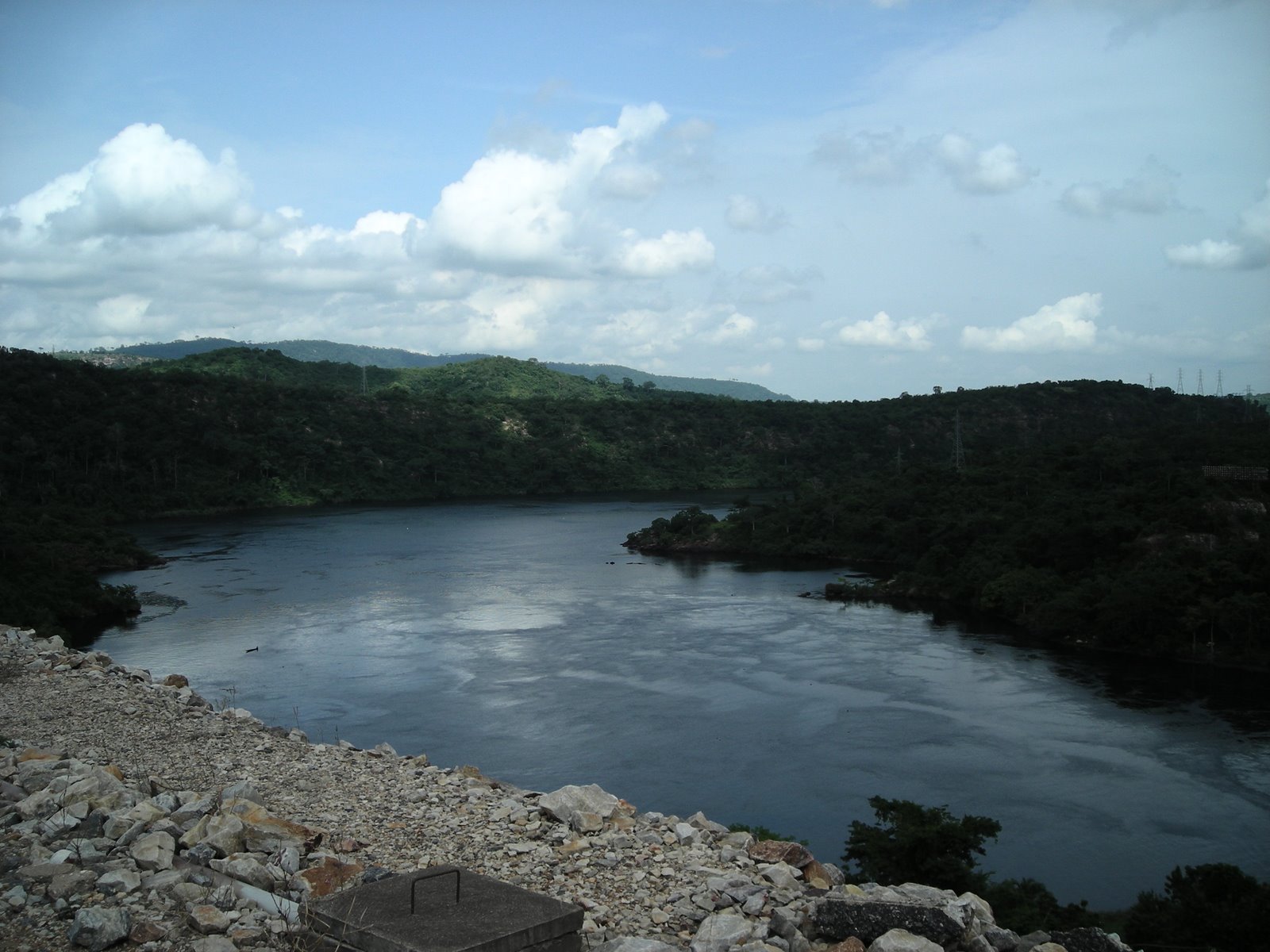
image of america, the blinding lights

In many of the Africa-related courses that I have taken, the very first assignment is very often called ‘Image of Africa.’ This is a way for students to explore what they know or don’t know about Africa and what preconceived ideas they have about Africa. This is a great assignment that helps many students to change their ideas to a more clear and accurate image of the continent. However, what this assignment does not take into account is the ‘image of America.’ The assignment does not address the potential vice versa of the issue of an ‘image of Africa.’ What I have experienced in Ghana so far leads me to believe that perceptions and false images is a two lane highway.

So far I have met some great people in Ghana. They are very interested in talking about issues, watching soccer, and making sure that we are taken care of in Ghana. However, I have also met a great number of people who are not as concerned and are more interested in getting our American dollars. There is an interesting perception that if you are American then you must have a lot of money. Sure, yes we do as compared to the common Ghanaian, but we do not have money on trees at home. This false perception is evidenced through the numerous interactions that I have had with Ghanaians in my three weeks here.

There was the conversation with Richard and Joseph, who work at the hostel, about America. Richard could not believe that there is poverty in America and that certain stories he had been told, by a man who visited America, were extremely false (you are not shoot for turning the wrong way). There was a love of President Bush. He is a man for his actions in Iraq and they love him as a brother, even though the US government has nothing to do with Ghana. Later while playing soccer I met a coach who was very nice. The conversation turned to where I was from. As soon as he found out that I was from America he mentioned that maybe I would be interested in supporting his soccer program. The false perception of America was even more strongly enforced when I met a man, getting ready to bathe, on the streets of Osu as we searched for a jazz club. He was very nice and helpful, asked where I was from, and asked since I was American – if I was rich. I said that I am far from rich, I am a student. He replied with, “Yes, but you are American.”

All these experiences remind me of reading one of our course books, Our Sister Killjoy. The story is of a Ghanaian student who has to opportunity to travel to Europe. She had all these preconceived notions of Europe and ‘white’ people. They are slowly broken down over her stay in Germany and she comes to realize that many people have no knowledge of Africa. In the world perceptions can be very dangerous, as she learns, and these false perceptions can be created by anyone.

This false ‘image of America’ is a very interesting issue for me being here in Ghana. The greater question that comes to my mind is, ‘Where did this perception come from?’ Where does this blinding light of America come from. I think I have discovered the answer and it all comes from the media. The media is life. Here in Ghana, American pop culture has penetrated, as in most corners of the globe, the major media scene. American music is played everywhere and spin-offs of American TV shows dominate the airwaves. In the TV shows and the music videos the wealth and opulence of America is expounded. How is anyone to gain a different image of America if all that is shown is wealth and commercialism? The VOA radio show is advertised heavily and VOA runs the TV Africa channel. Foreign films are often shown and American talkshows are aired everyday.

The media rules all, here they have helped to create a false image of America. We encounter this image daily. Sadly the results of this false image can lead many people into cynicism and a jaded view can be developed. That is where I will cry foul because it is of no fault to the people who has been enamored with the ‘Image of America.’ Blame the media, blame your media, and blame yourself. We all create perceptions, many times false. No one is beyond making a false judgement on anything that they do not know much about. So many Americans make terribly false judgements about Africa. As I noted before these perceptions can go both ways and today making a world of perceptions can be very dangerous. I like to think that I do not create perceptions and I do not have expectations about places, but there is no way that I did not create some idea in my head about where I was going. Keeping an open mind and watching with open eyes is the only way that we can defeat perception and learn of reality.

Index of blog post series on Ghana.
the nature of africa: rhythm and socialism

The nature of Africa is all about rhythm. Rhythm pervades everything. There is a great love of music that is almost unseen anywhere else. From the very birth of a child there is rhythm in that tiny life. The child enters the world with built in rhythm: crying, kicking, blinking. This child is then exposed to the natural rhythms of the world: frogs croaking, dogs barking, crickets chirping. We all move about our days in rhythm, we talk, chew, sneeze, laugh, go to the bathroom, speak, and walk in rhythm. A child develops this sense of rhythm in Africa as it swings wrapped on its mother’s back – she fetches water, walks, and dances and the child learns rhythm. Rhythm is present even on a less basic level. In many parts of Africa the ritual of greeting someone is very rhythmic – asking the health of the greeter, his family, and his work. This is all done in an almost sing-song rhythm.

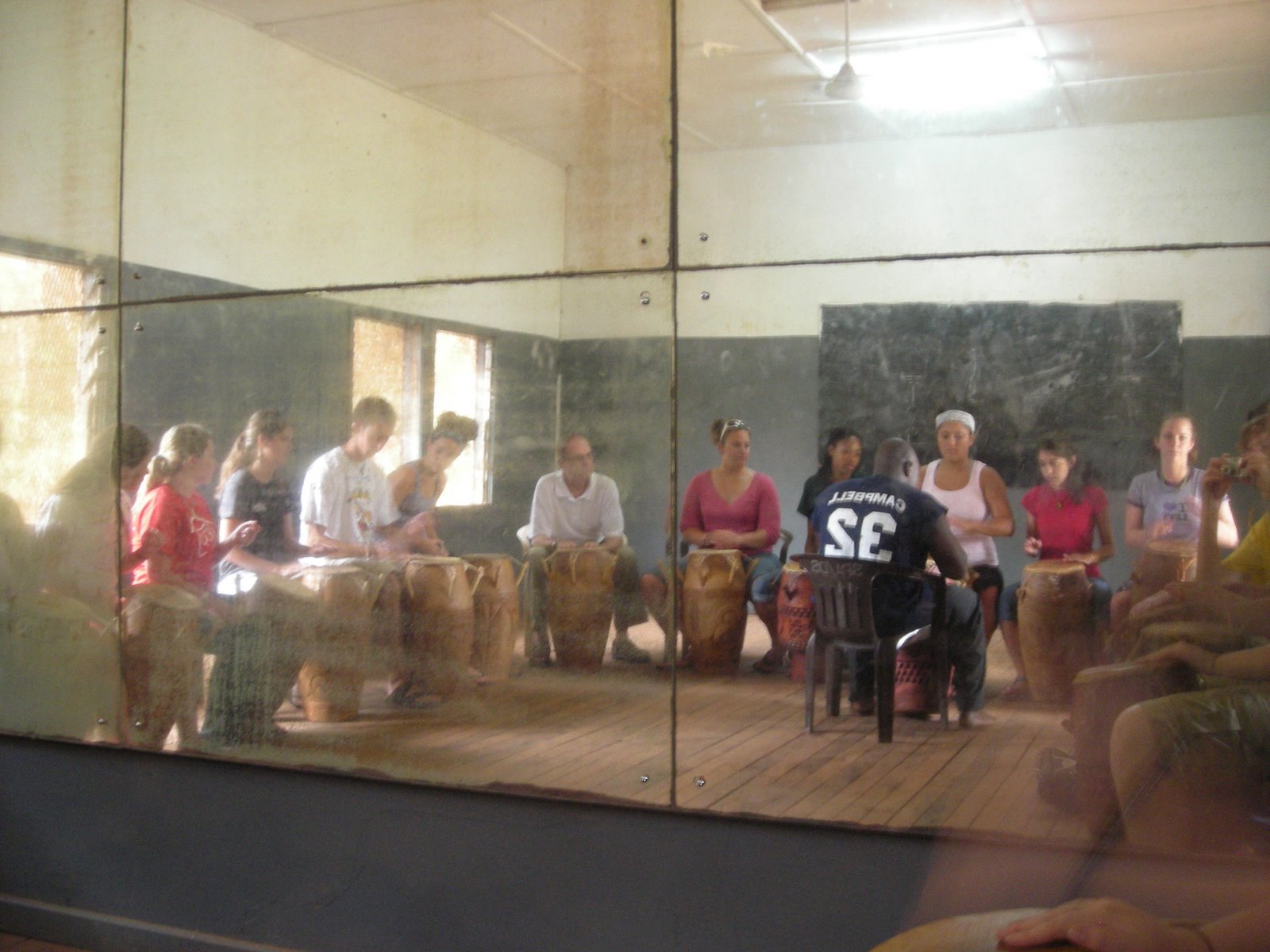
This rhythm is transferred from the natural happenings of the world into the lives of the people through drumming and dance. Drums are a key part of life in Africa. Many communities still use drums for their traditional purpose of calling a community together and sending messages. The tradition of drum and dance is never lost in Africa, that is an aspect that I think will never be lost from the cultures. We have experienced a great deal of this drum and dance tradition as part of our escapades around Ghana and in our course on the art, music, and culture of Ghana. As soon as we arrived in Ghana the rhythm of drums surrounded us. I met the rastas on the second day and began learning from them right from the get go drumming in the market. In Cape Coast we had the performance by the traditional drum and dance group and interacted in the performance with our mostly unrhythmic attempts to dance. More recently we have been coordinating drum and music lessons with our professor and professional music teachers. We had a lesson from the University of Ghana,who is a master drummer, for one of our lectures. We used the traditional Ghanaian drums for this session, they hurt the hands a bit more.

We have also been receiving lessons from Kwasi, who has traveled extensively in the US performing and teaching drumming. He taught and did his dissertation at the University of Michigan. We took the bus to his home which was far from the center of Accra because there is a noise ban. The noise ban was in place from the government so as not to upset the gods before the harvest. Kwasi is an older, stylish and spunky man. He has a nice short afro, dark aviators, creased khakis, and an awesome tie. We start each session with creating random musical rhythms out of words that pop into Kwasi’s head and we often dance around his compound singing and stomping our feet to a rhythm. When we finally got to the drumming we were almost too tired from the dancing workout, you wonder why Africans are so fit – take up some type of African dance. Kwasi was amazing to learn from and was extremely excited to be involved with teaching students music again. He group is supposed to perform for us before we leave. we only have two more days of our course on art, music, and culture.

Along with rhythm consuming life in Africa, there is a certain natural socialism that seems to work quite well. The idea of socialism was attempted across the continent, but it failed – why – because the elites in power were too interested in keeping that power. In much of Africa, specifically in Ghana, people live in secluded hamlets (communes). These hamlets are often isolated, but they remain connected with one another through traditional festivals. In these housing groups there is an idea of communal labor. If your neighbor’s fence has a hole in it the community comes together to work and fix it. This concern for everyone in the community builds the connectivity and social care. This is also evidenced in the ritual greeting and concern for the well being of a fellow community member. Within the hamlet everyone learns how to do every job, everyone knows how to do everything – so everyone helps with everything. There is also a communal yard, court, open space for market, dance, festival, and meeting. I think that this natural socialism helps to build and grow the rhythm of the community.

Professor Dzokoto, lecturing us on the music of Ghana, told us that if you are not part of the community you will not know the rhythm of the community. If you are a stranger to the community you will not know the rhythm of the community. Rhythm pervades all. Kwasi told us that from a young age he began drumming, first on people’s heads. I like to think that I understand that rhythm. As far back as I can remember and as I am told, I was drumming on everything. From my leg, to my desk, to the church pew, to the dinner table – I loved rhythm, rhythm pervades all.

News from Africa:
If you may have missed the news President Bush has placed sanctions on Sudan over Darfur. This marks a great point in his botched presidency. Placing sanctions on companies that operate in Sudan or with Sudan will create a stronger push for a change and hopefully a peace in the Darfur region.

Today the government of Niger dissolved. Yes dissolved, their parliament voted no confidence in the Executive branch because of troubles and corruption in regards to money usage. What this means for Niger I cannot say, but this will definitely be something to keep watch.

Index of blog post series on Ghana.